Strip unwanted coatings
Old paint, failed coating layers and other surface material are removed so the underlying asset can be properly assessed and prepared.
Industrial surface preparation
Service 01
Remove rust, old paint and failed coatings, then create a clean, properly prepared surface for the protective finish ahead.
About the service
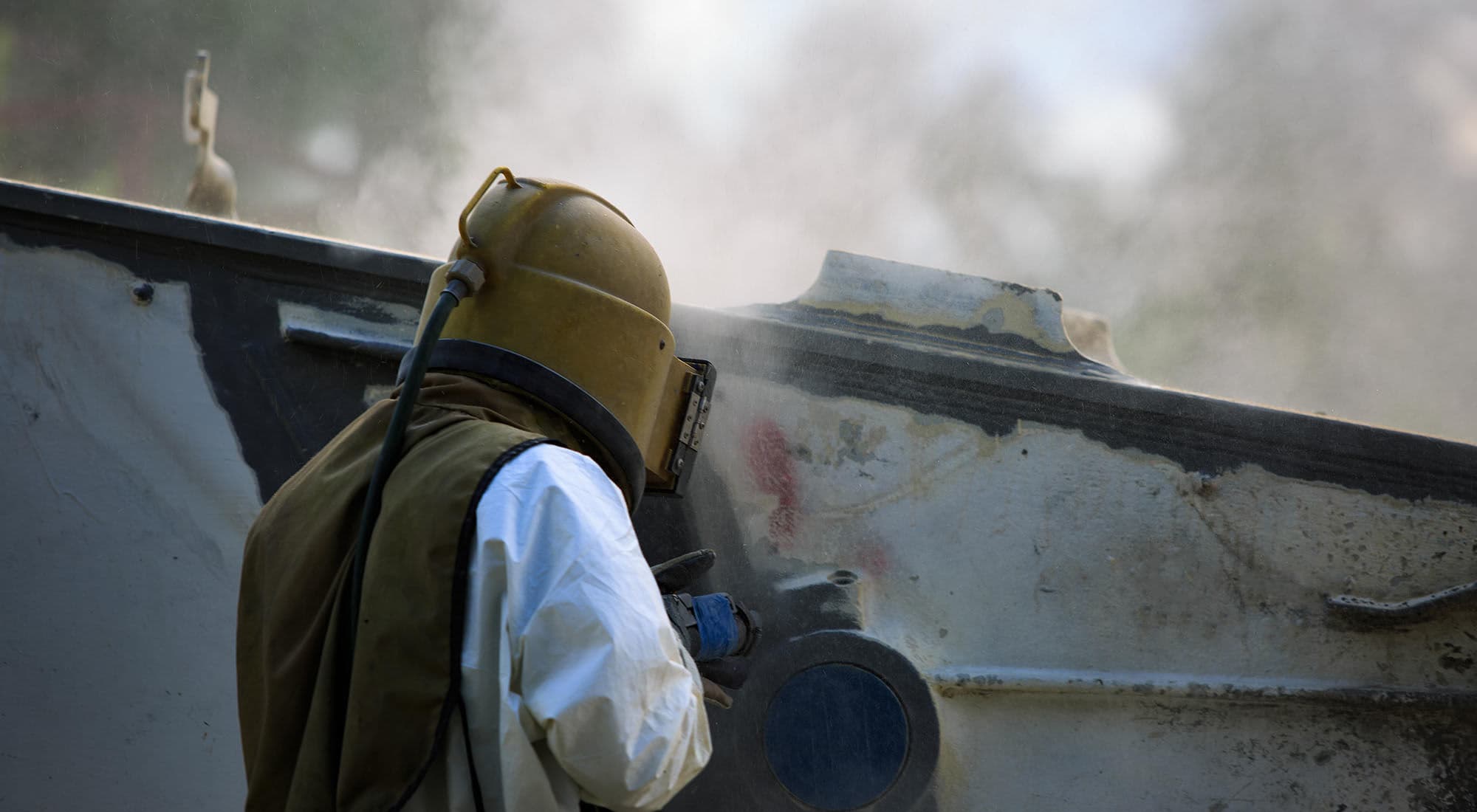
Sandblasting removes corrosion, mill scale, contamination and deteriorated coatings from suitable surfaces. It exposes the condition of the underlying material and creates a clean starting point for repair, inspection or a new protective coating.
The objective is not simply to make an asset look cleaner. The blasting work also creates a controlled surface profile that helps the selected primer or coating bond correctly. The required level of cleanliness and profile is assessed around the material, its current condition and the finish that will follow.
Common applications
Old paint, failed coating layers and other surface material are removed so the underlying asset can be properly assessed and prepared.
Rust, scale and surface contamination are cleared from suitable metalwork instead of being sealed beneath the next finish.
Blasting leaves a controlled texture that gives the specified primer or coating a suitable surface to bond to.
What the work involves
Sandblasting is not one fixed treatment. The substrate, existing coating, corrosion level and next coating system all affect how the surface should be prepared.
The team considers what is on the surface now—light corrosion, heavy scale, old paint or a failed coating—and how firmly it is attached.
Steel, aluminium, galvanised items and thinner fabrications respond differently. Material and condition are checked before suitability is confirmed.
The degree of cleaning and surface profile need to suit the next protective coating or the project specification.
Geometry affects access and consistency. Welds, corners, recesses and connection points are considered as part of the blasting work.
Once exposed, a prepared surface needs to stay clean and move into its next agreed stage without unnecessary exposure or contamination.
Job assessment
Two items of the same size can require very different work. These are the details that shape the method, handling, timing and quote.
The type and thickness of the base material help determine whether abrasive blasting is suitable and how the work is approached.
Coating type, coating thickness, rust, scale, grease and contamination all affect the preparation required.
Overall dimensions, weight, lifting points and awkward geometry affect workshop handling and access.
A surface being primed, painted or returned bare may need a different agreed outcome and timing.
Where a project specification applies, include the required preparation standard, coating system and inspection requirements.
Transportable work is generally suited to the workshop. Fixed or difficult-to-move assets may need a mobile assessment.
What to expect
The exact work changes with the asset, but the job moves through the same practical stages.
Share photos, dimensions, material, surface condition and the result required.
The team reviews blasting suitability, handling, access and the required surface outcome.
The asset is cleaned and profiled to the agreed preparation requirement.
The prepared surface moves into its specified coating stage or agreed return pathway.
For a useful quote
Good photos and accurate dimensions help the team assess access, handling and the level of preparation required before the job arrives.
Include these details