Prime the prepared surface
A suitable primer provides the first protective layer and establishes the base for the coating system that follows.
Industrial protective finishing
Service 02
Protect prepared steel, equipment and components with a coating approach selected around the asset, its condition and the project requirements.
About the service
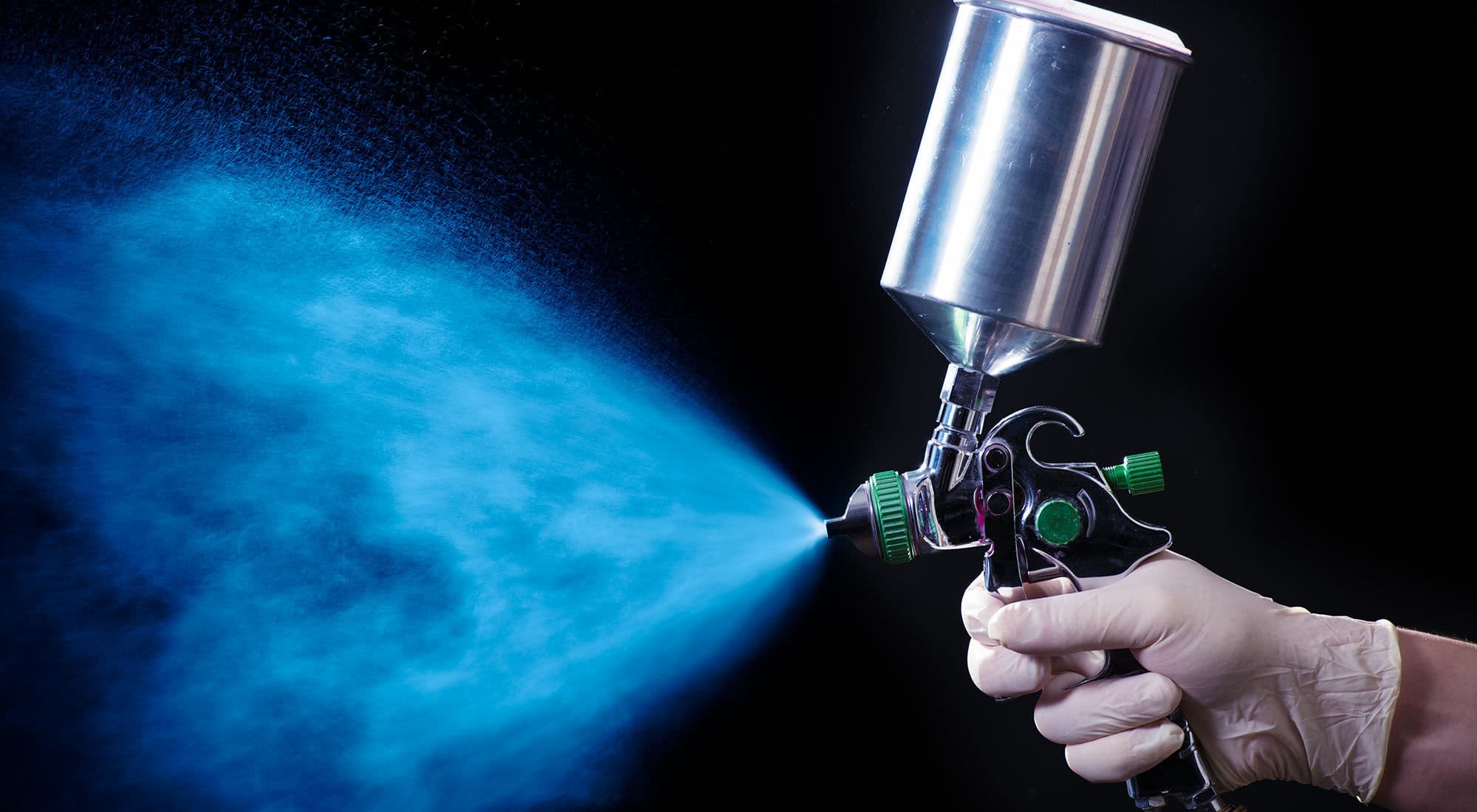
Industrial spray painting applies a protective coating system to suitably prepared steel, equipment and fabricated components. The finished coating helps separate the substrate from moisture, weather and other exposure while also delivering the required colour and appearance.
Preparation and painting have to work as one system. Depending on the job, that system may include a primer, one or more intermediate coats and a final topcoat. The products, coat sequence and required film build are selected around the substrate, operating environment and any project specification—not colour alone.
Common applications
A suitable primer provides the first protective layer and establishes the base for the coating system that follows.
Intermediate coats can add film build and protection where the selected system or project specification requires them.
The topcoat provides the final colour, appearance and exposure surface specified for the asset.
What the work involves
The coating needs to suit the prepared substrate, the asset's working environment and any project specification. Each layer has a purpose within the full system.
Paint performance depends on what sits underneath it. Rust, failed coatings and contamination need to be addressed before painting begins.
Primer, intermediate and topcoat requirements are assessed around the substrate, exposure conditions and specified service life.
The required number of coats and target film build depend on the selected system rather than a one-coat-fits-all approach.
Threads, machined faces, identification plates and other areas that must remain uncoated need to be identified before application.
Coated items require suitable time and conditions before they can be moved, assembled, transported or returned to service.
Job assessment
The best approach is based on how and where the asset will work, not just how the finished colour should look.
Indoor, outdoor, industrial, coastal, chemical and high-wear conditions can place very different demands on a coating.
The base material and its current condition influence both preparation and compatible coating options.
Compatibility and adhesion need to be considered if any existing coating is intended to remain.
Provide the colour reference and any gloss or finish requirement so availability can be confirmed.
Include nominated products, coat sequence, film-build targets and inspection requirements where they apply.
Size, weight, lifting points, cure time and transport all affect the project plan.
What to expect
The exact work changes with the asset, but the job moves through the same practical stages.
Share photos, dimensions, surface condition, intended use and any project specification.
Preparation, products, colours, coat sequence, handling and timing are reviewed.
The surface is prepared before the agreed primer, intermediate and finish coats are applied.
The coating is allowed to set before the completed asset moves into collection or delivery.
For a useful quote
The more the team knows about the asset's condition, working environment and required coating system, the more useful the first assessment can be.
Include these details